If you’ve ever finished a double shift at a mountain restaurant at eleven at night and then needed to be on a guided walk at six the next morning, you already know that sleep is the first casualty of seasonal tourism work. The hours are unpredictable, the physical demands are high, and the expectation — from employers and from yourself — is often to push through and deal with it later.
The problem is that “later” rarely comes. And the cumulative effect of disrupted sleep isn’t just tiredness. Poor sleep affects judgment, mood, immune function, and the ability to manage stress. For outdoor activity workers, where clear decision-making can be a safety issue, it’s not a minor inconvenience — it’s a genuine risk.
Helix health advocates often hear from seasonal workers who are struggling with sleep but don’t know where to start. The good news is that even small, practical changes can have a meaningful impact, especially when your schedule doesn’t allow for the kind of routine most sleep advice assumes you have.
Anchor what you can. Even when shift times vary, try to keep one fixed point — a consistent wake time, or a wind-down habit you do before bed regardless of when bed is. This gives your body clock something to orient around.
Watch your caffeine window. Caffeine has a half-life of around five to six hours, which means a coffee at four in the afternoon is still partly active at ten at night. For workers who rely on caffeine to get through afternoon lulls, shifting that last cup earlier can make a noticeable difference to how quickly you fall asleep.
Light exposure matters, particularly in the Scottish Highlands where summer days are very long. If you’re trying to sleep during daylight hours after a night shift, blackout curtains or a sleep mask are worth the small investment. Conversely, getting natural light first thing in the morning — even ten minutes outside — helps reset your internal clock faster than any supplement.
Noise is a common problem in shared accommodation, which is where many seasonal workers live. Earplugs are free from most pharmacies and genuinely effective. White noise apps can also help mask the sounds of housemates on different schedules.
Mental wind-down is as important as physical conditions. If you’re lying awake replaying the shift — the difficult customer, the thing you forgot, tomorrow’s early start — it helps to have a simple transition ritual. Even ten minutes of reading, a short walk outside, or writing down three things you need to do tomorrow (so your brain lets them go) can signal to your nervous system that the working day is done.
One thing that’s often overlooked: alcohol might feel like it helps you fall asleep, but it significantly reduces sleep quality in the second half of the night, leaving you less rested even after eight hours. If you’re working physically demanding or safety-critical shifts, this is worth bearing in mind.
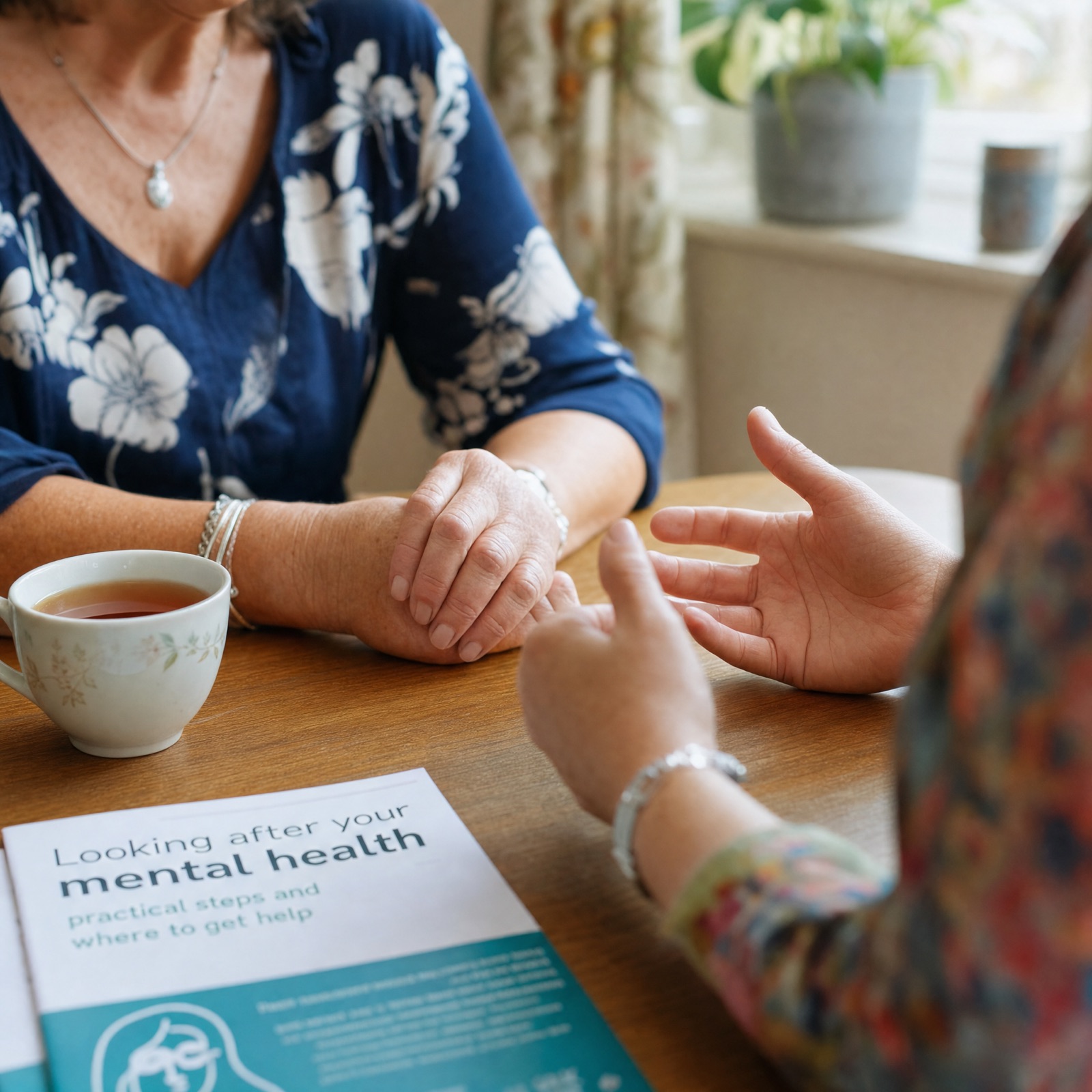
Helix drop-in sessions regularly cover sleep and recovery as part of a broader conversation about wellbeing in shift-work environments. If you want to talk through what’s getting in the way of your rest, or find out what other support is available, come and find us. No appointment, no referral — just practical information when you need it.